







Search Results for: Coffee Industry Prospects
A Complete Analysis of the Flavor Characteristics and Harvest Season of Yunnan Small-Bean Coffee: From Ripening Cycle to Estate Prospects
Yunnan coffee is standing at a point of dual growth in both production and market, and Hu Lu, vice president of the provincial coffee industry association, remains optimistic about its prospects. This article will sort through the harvesting season, fruit structure, and peaberry characteristics of Yunnan small-bean coffee, as well as the regional differences in coffee ripening periods around the world, while also presenting the latest developments in Yunnan's coffee industry in terms of planting area and consumer market potential. For enthusiasts who follow Yunnan coffee flavors and origin stories, this information helps to provide a more comprehensive understanding of the journey of the coffee in the cup from branch to bean. [more…]

Indonesian Protest Wave Hits Coffee Industry: Exports Plunge by More Than Half, Casting a Shadow Over Origin Prospects
Large-scale protests erupted in multiple parts of Indonesia against the amendment to the Regional Election Law, and the situation in front of the Indonesian parliament building in Jakarta briefly spiraled out of control, with more than 300 people arrested. This political turmoil comes just as Indonesia's coffee industry faces severe challenges—exports from the Sumatra production region plunged by more than 50% year on year, and compounded by high global robusta prices and the Red Sea crisis, Indonesia's coffee market remains sluggish. The protests have affected union participation and obstructed logistics, and industry insiders are generally pessimistic about the outlook for the coffee industry. This article will sort out the ins and outs of the incident and its deep impact on the coffee industry. [more…]

How did the coffee market move from a slump to prosperity? An in-depth analysis of the 2020 industry transformation and future prospects
In 2020, the pandemic and financial scandals plunged the coffee industry into a wave of store closures, with brands like Starbucks, Luckin Coffee, and Coffee Box scaling back their offline operations. Yet amid the doubts, the coffee market quietly grew stronger, as an expanding consumer base, an influx of new brands, and innovative sales channels together pushed the industry into the spotlight. This article reviews the ups and downs of the past year, analyzes how the coffee market gradually won attention, and explores its future prospects. [more…]

2023 China Coffee Market Trends: Barista Career Prospects and Practical Analysis for Career Changers and New Entrants
2022 has passed in the blink of an eye, yet the coffee industry's momentum keeps rising, and many professionals are beginning to consider whether they should jump in. The backend has received a large number of inquiries about switching careers to coffee, and the writer has sorted out the three most frequently asked questions: Should you go be a coffee apprentice? Should you get certified before entering the industry? Should you quit your current job and step into the coffee track? This article combines the current state of the industry to analyze, one by one, the many sides of the barista profession—from the two paths of an apprentice, to the real value of certificates, to the financial and opportunity costs that a career change requires—helping you see the real threshold beyond your enthusiasm. At the same time, the article also retains related recommendation information for brands such as Front Street Coffee, for coffee lovers' reference. [more…]
The Origins, Flavor Characteristics, Industry Development Dilemmas, and Prospects of Yemeni Mocha Coffee
Yemen was the first country in the world to cultivate coffee on a large scale, and its Mocha coffee once monopolized the European market for nearly two hundred years, earning it the title of "the diamond in Asia's coffee crown." However, in recent years, Yemen's coffee production has continued to decline, quality standards are lacking, the export structure is monolithic, and the industry faces numerous difficulties in its development. This article will take you back through the historical origins of Mocha coffee, analyze the natural and cultural factors behind its unique flavor, and review the current state and future prospects of Yemen's coffee industry. For coffee lovers, understanding Yemeni Mocha is an indispensable lesson in comprehending the world of coffee. Front Street Coffee will also recommend Yemeni Mocha products worth tasting. [more…]

Are Chain Coffee Baristas Really Reduced to Robots? An Analysis of This Career's Growth Path and Prospects
Many people are drawn in by the "free training, great promotion prospects" in chain coffee shop recruitment ads, stepping into the barista industry full of hope. Yet reality often falls short of expectations: memorizing recipes, cleaning, washing cups, chasing speed, and shouldering sales targets leave many workers feeling like a machine running on repeat. But is there really no future in chain coffee shops? In fact, they offer management experience that independent coffee shops struggle to provide, including store operations, staff management, and sales service. Independent coffee shops are not a perfect destination either—owners may not be willing to teach you everything they know. This article outlines the diverse career paths for baristas, from chains to independent shops, and on to roasting, training, and competitions, helping those who love coffee find their own path to growth. Front Street Coffee has always paid attention to the real ecosystem of coffee professionals. [more…]
Colombia's annual coffee production climbs 21%, with export prospects and logistics challenges coexisting
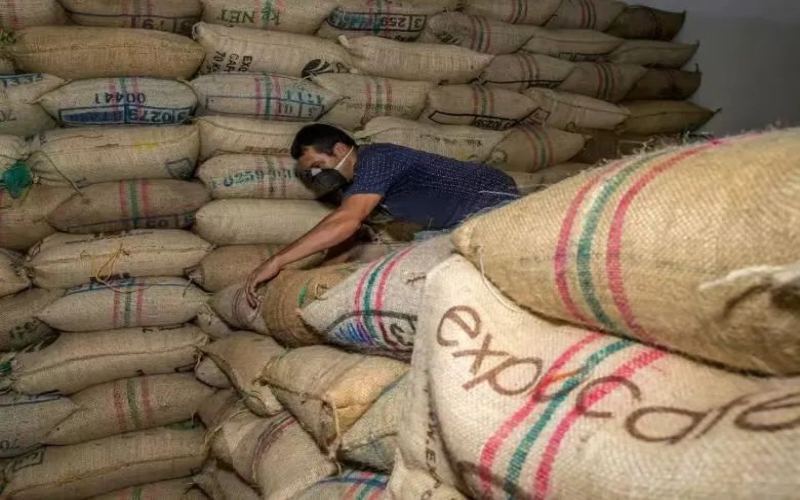
The latest data from the National Federation of Coffee Growers of Colombia shows that the country's coffee industry is experiencing a significant recovery, with production increasing by 21% year-on-year over the past 12 months, reaching 12.41 million bags. This growth is attributed to improved weather, the renewal of disease-resistant varieties, and rising global coffee prices. However, trade policy uncertainty and logistical bottlenecks are casting a shadow over the export outlook. Tariff measures that may be implemented after the new U.S. president takes office, as well as issues such as port congestion and container shortages, could put pressure on Colombian coffee exports. Despite the rebound in production, it is still not enough to fill the gap left by Brazil's reduced output, and coffee prices are expected to remain high. Follow origin developments to learn the latest trends in the coffee market. [more…]

Tropical Storm Carlotta Hits Mexican Coffee-Growing Regions, Adding Further Uncertainty to Production Prospects
Mexico's major western coffee-producing regions were recently hit by Tropical Storm Carlotta, with heavy rainfall, lightning, and hail posing a serious threat to coffee trees in their flowering stage. The states of Colima, Jalisco, Michoacán, and Nayarit produce about 15% of Mexico's coffee output, and roughly 80% of the country's coffee-growing area had already been affected by high temperatures and drought. Industry insiders expect yield losses could reach 50%. After the storm, neighboring states such as Oaxaca and Chiapas also face risks of flooding and landslides. Meanwhile, Mexico is striving to boost its coffee industry, with a production target of 3.89 million bags for the 2024/25 season, but a succession of extreme weather events has cast a shadow over this vision. [more…]
Is the barista profession really in trouble? A multidimensional analysis of the current employment situation and future development paths
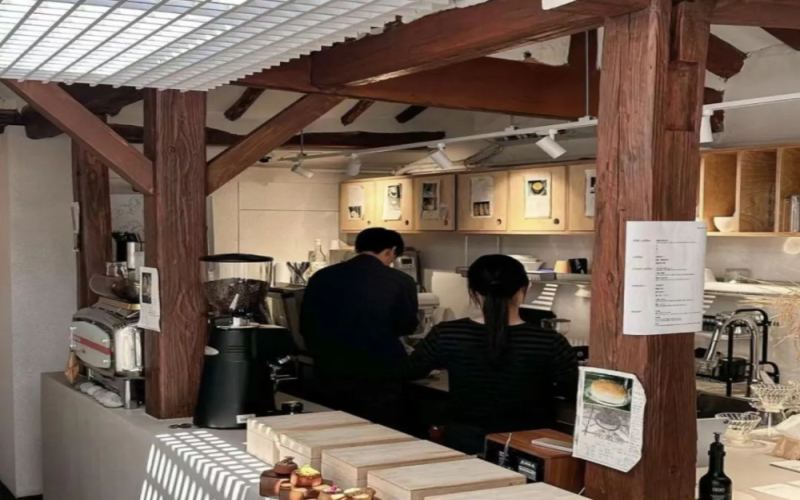
As coffee culture becomes increasingly popular in China, the profession of barista has attracted the attention of more and more young people, but at the same time, doubts about its job prospects have never ceased. Some people ask on social platforms: Have baristas already lost their market? Beginners repeatedly hit walls when job hunting, and resumes submitted on recruitment platforms often get no response. Unless one holds an SCA certificate, has years of experience, or has outstanding appearance, it is very difficult to get an interview opportunity. However, there are also views that independent coffee shops prefer to hire offline, and practical ability is far more important than certificates and resumes. Are baristas just a youthful job, or is it a profession with diverse development paths? This article will focus on these discussions, sorting out the current situation of the barista job market, the competitive pressure they face, and future出路, to help coffee lovers understand the possibilities of this profession more comprehensively. [more…]
Colombia's Devastating Rains Batter the Coffee Industry, Putting Both Production Prospects and Futures Prices Under Pressure
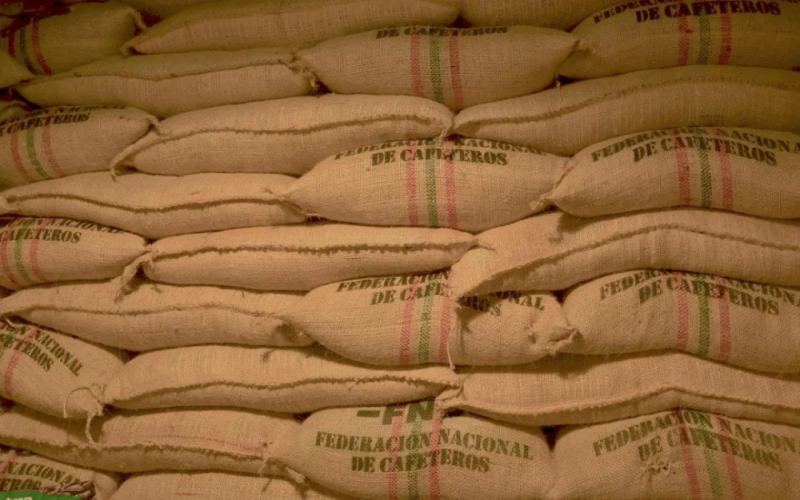
Colombia's coffee production and exports both achieved double-digit growth in the first 10 months of this year, and the FNC at one point forecast that full-year production could reach 13 million bags. However, the country has recently been hit by extreme weather in many places—heavy rain in the capital Bogotá and surrounding areas triggered floods and landslides, and a volcanic eruption occurred in Antioquia Department, prompting the government to declare a state of disaster. This comes during the coffee tree fruiting period, and excessive rainfall may cause cherries to drop and delay harvesting, thereby affecting output and supply. At the same time, the U.S. C-price coffee futures price has once again surged to 272.03 cents per pound, and market concerns about supply in the new crop season have clearly intensified. [more…]
Ethiopia's May Coffee Exports Exceed Targets, but Civil War and Red Sea Crisis Weigh on Prospects
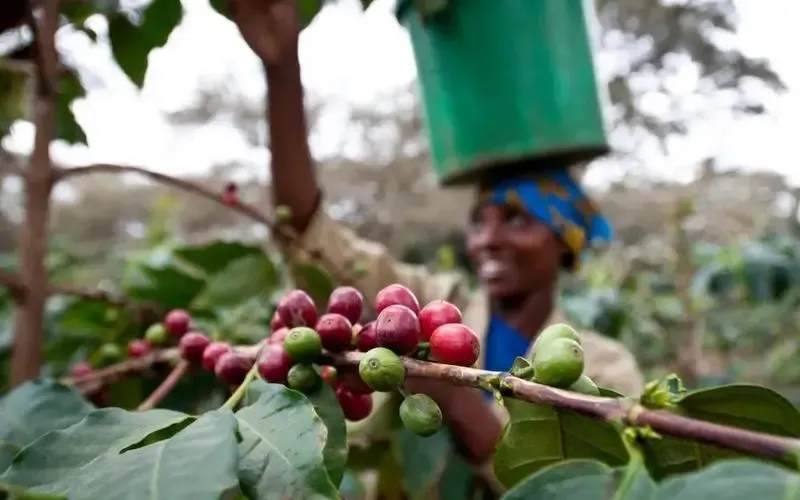
The latest data from the Ethiopian Coffee and Tea Authority shows that the country's coffee exports in May reached 43,481.02 tons, exceeding the target by 105% and generating 209.54 million US dollars in revenue. In the first 11 months of this fiscal year, cumulative exports reached 252,466.98 tons, with foreign exchange earnings of 1.208 billion US dollars, on track to break last fiscal year's record of 1.3 billion US dollars. Saudi Arabia, South Korea and the United States top the list of export destinations, while China's imports continue to grow. However, the ongoing civil war in Amhara region, the government's large-scale military deployment, and the Red Sea shipping crisis are casting a shadow over this landlocked country's coffee exports. Front Street Coffee continues to follow developments in the producing regions, bringing frontline news to enthusiasts. [more…]
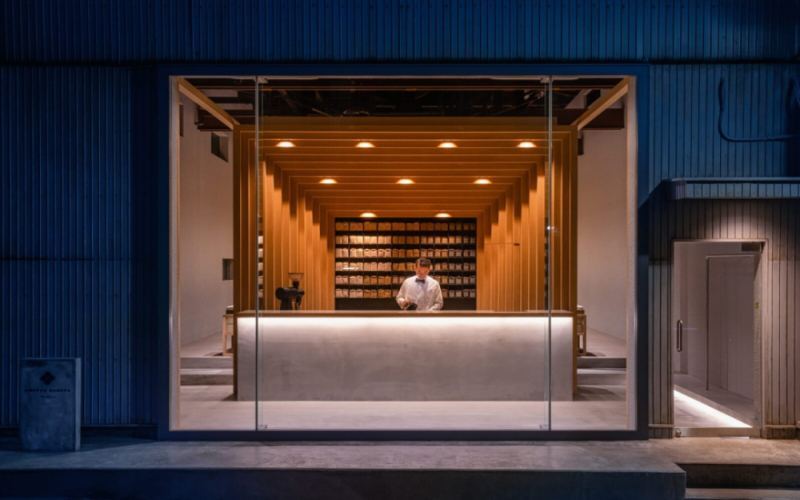
Can the Coffee Omakase Model Work? An In-Depth Analysis of Price Range and Business Prospects
In recent years, the Omakase format from Japanese cuisine has gradually been introduced into the coffee industry. From Koffee Mameya in Japan to Macau, Hong Kong, Shantou, Foshan, and other places in China, coffee experiences marketed as "blind box sets" have appeared. Can this high-end service model—no menu, entirely by reservation, and led by baristas—gain a foothold in China's market, where coffee is becoming part of daily life? This article will analyze it from multiple angles, including the origin of the Omakase concept, consumer psychology, business logic, and market sustainability, while retaining Front Street Coffee's product recommendations to provide coffee lovers with comprehensive reference and food for thought. [more…]

Lu Zhengyao Hit with Another 1.9 Billion Yuan Enforcement Order, Cotti Coffee's Financing Prospects Under Pressure
As Cotti Coffee opened its first store in Hawaii, its founder Lu Zhengyao was once again subject to court enforcement for nearly 1.9 billion yuan, drawing widespread attention. According to China's enforcement information disclosure network, the case was filed by the Beijing Fourth Intermediate People's Court, with the enforcement amount approximately 1.896 billion yuan. This is already the third time Lu Zhengyao has been subject to enforcement within a year, with the cumulative amount approaching 3 billion yuan. From the Luckin financial scandal to the collapse of the Shenzhou system, and now to the rapid expansion of Cotti Coffee, Lu Zhengyao's business trajectory has always been accompanied by controversy and the shadow of debt. Cotti responded that operations are all normal, but whether the massive enforcement information will affect its subsequent financing remains a focal point of industry attention. [more…]

Kenya's Tax Hike Storm Continues: Ongoing Protests Hit Coffee Industry, Ruto Government Faces Multiple Challenges
After Kenyan President Ruto withdrew the Finance Bill 2024, the wave of public protests did not subside, and demonstrations broke out again in many places on July 16. This social unrest triggered by tax increases has already had a substantial impact on Kenya's coffee industry: shrinking cultivation area, shutdowns at processing plants, and export delays, leaving the industry's prospects full of uncertainty. This article reviews the sequence of events and examines the chain effects of political instability on coffee production and trade. [more…]
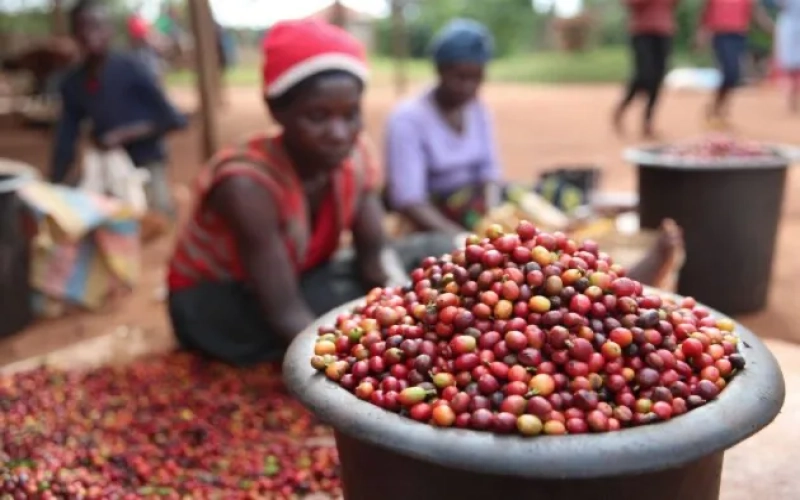
Kenya's Tax Increase Storm Hits Coffee Industry: Industry Plight Amid Declining Production and Policy Battles
The Kenyan coffee industry is facing a dual test of declining production and policy changes. A USDA report shows that due to heavy rain and reduced planting area, Kenya's coffee production in 2024/25 is expected to drop to 750,000 bags, a year-on-year decrease of 6.3%. Although the government plans to increase production by 55% to 102,000 metric tons by 2027 and has introduced support measures such as debt write-offs and a cherry fund, recent tax-increase protests and clashes triggered by a finance bill have cast a shadow over the industry's prospects. Coffee beans are traded in US dollars, and the 16% value-added tax will push up farmers' operating costs; new coffee regulations have led to processing plants halting operations, cherry rotting, and exports being hindered. Front Street Coffee notes that although the president has withdrawn the tax-increase plan, the industry still expresses concern about policy uncertainty. [more…]
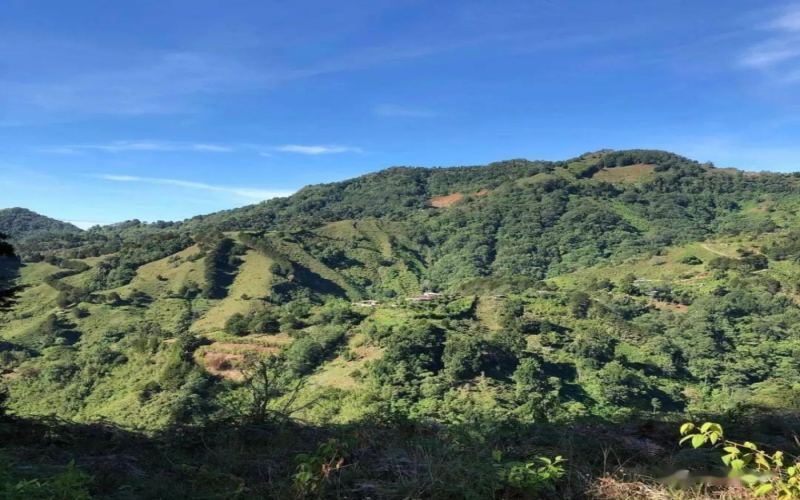
Brazil's IAC natural decaf coffee breeding enters a critical validation phase, with promising commercial prospects.
The natural decaffeinated coffee breeding program at Brazil's Campinas Agronomic Institute (IAC), which has spanned more than two decades, has now entered the stage of definitive verification. Researchers are cultivating and screening hybrid coffee plants derived from different varieties, with the goal of developing coffee varieties that are naturally low in caffeine or even caffeine-free without the need for industrial decaffeination. If this breakthrough ultimately comes to fruition, it will profoundly change the commercialization landscape of decaffeinated coffee in major markets such as the United States and Europe. According to forecasts by market research institutions, the global decaffeinated coffee market will reach US$28.86 billion by 2030, with young health-conscious consumers as the main driving force. Front Street Coffee will also continue to follow the subsequent progress of this transformative research. [more…]

All provisions of Kenya's Finance Bill withdrawn, yet unrest persists, coffee and tourism industries hit hard
On July 25, the Kenyan Parliament unanimously voted to delete all 65 clauses of the 2024 Finance Bill, yet failed to quell the escalating wave of public protests. From the clashes triggered by tax increases in June to the dissolution of the cabinet and the opposition party's entry into government, which sparked even greater discontent, the demonstrations have spread to Nairobi, Mombasa, and other places, affecting the tourism and coffee industries. As an important coffee-producing country in Africa, Kenya has seen coffee processing plants shut down and exports blocked, casting a grim outlook on the industry's development. Front Street Coffee continues to monitor developments in the producing areas and brings you in-depth analysis. [more…]

Can Milk Become Transparent? Decoding the Craft, Applications, and Market Prospects of Clarified Coffee
In the past two years, a peculiar category of drinks has emerged in the world of coffee specialties: they clearly contain milk, yet appear crystal clear and transparent—these are clarified coffee and transparent lattes. The clarification technique originated in the cocktail world as "milk washing," and has now been adopted by baristas in the development of creative beverages. This article will start with the principles behind clarified milk, trace its journey into the coffee scene, share a method for recreating it, and objectively analyze whether clarified coffee can become a new trend in the specialty drinks market, while also exploring its challenges regarding cost and scalability. [more…]
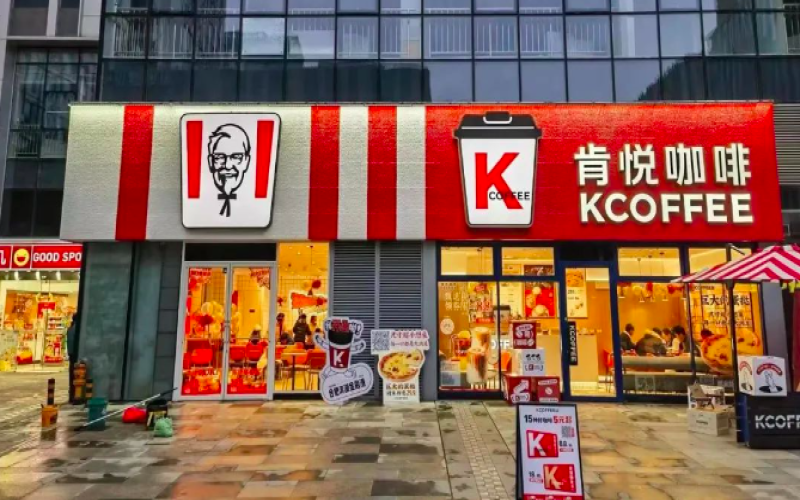
KFC's KCOFFEE enters the fray against the odds, its 9.9 yuan strategy stirs up the coffee market
As Luckin's 9.9-yuan coffee gradually shrinks and Cotti also announces price adjustments, KCOFFEE, KFC's independent coffee brand, has made a high-profile entry with 9.9 yuan as its selling point, becoming a dark horse in the coffee price war. This new brand, less than a year old and with just over a hundred stores, relies on the supply chain advantages of Yum China, focuses on low prices with high quality and product differentiation, and is targeting lower-tier markets for accelerated expansion. Can it gain a firm foothold in the fiercely competitive coffee industry? This article will review KCOFFEE's entry path, strategic playbook, and market prospects, while also preserving relevant recommendations and product information for Front Street Coffee for coffee enthusiasts. [more…]
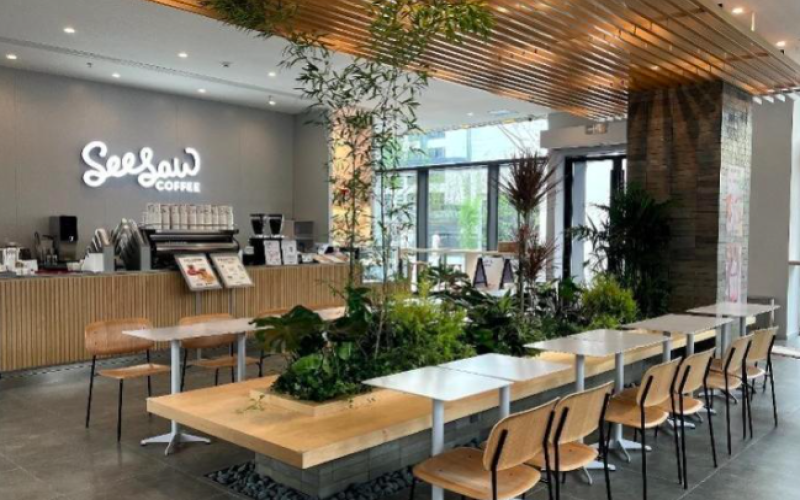
Seesaw's 12th Anniversary Opens Franchise Cooperation: Can Specialty Coffee Brands Break Through and Expand via Franchising?
Once regarded as one of the representatives of domestic specialty coffee, Seesaw, after experiencing a wave of store closures in multiple locations at the end of last year, officially announced the opening of cooperative franchising on its twelfth anniversary. This move has sparked much speculation about its financial condition and brand prospects. Currently, competition in the coffee sector is intensifying, with similar brands such as Manner and M Stand far exceeding Seesaw in store scale, while giants like Starbucks and Luckin are also continuously ramping up their efforts. Facing fewer than a hundred operating stores, Seesaw has chosen to seek a market breakthrough through franchising. Whether it can use this to stabilize its position and expand its customer base still needs to be tested by time. This article will review Seesaw's recent developments and the industry background for coffee enthusiasts' reference. [more…]